


Run Your Home With Digital Notes That Actually Work

Today we dive into digital note‑taking workflows for household management, turning scattered lists, sticky notes, and forgotten reminders into a calm, searchable system your whole family can use. You’ll learn practical capture habits, organization patterns, gentle automations, and collaborative rituals that simplify groceries, chores, budgets, maintenance, and more. Expect relatable stories, tested checklists, and adaptable templates, all designed to reduce mental load and replace constant re‑deciding with confident, repeatable steps. Save time, lower stress, and make space for the moments that matter.

From Paper Piles to a Calm, Searchable Home

Pick Tools That Fit Your Devices and Minds

Select an app that runs smoothly on every screen you actually use, supports offline notes on the go, and makes adding a quick line feel effortless. Handwriting fans might need stylus support and OCR, while keyboard lovers prefer templates and robust search. Test for a week before importing everything. If the inbox requires too many taps or fields, it will fail under pressure. Aim for tools that encourage small, frequent notes instead of long, intimidating documents that never get updated.

Create a Simple Home Structure Before You Add Notes

Select an app that runs smoothly on every screen you actually use, supports offline notes on the go, and makes adding a quick line feel effortless. Handwriting fans might need stylus support and OCR, while keyboard lovers prefer templates and robust search. Test for a week before importing everything. If the inbox requires too many taps or fields, it will fail under pressure. Aim for tools that encourage small, frequent notes instead of long, intimidating documents that never get updated.

Sync and Sharing Without Surprises

Select an app that runs smoothly on every screen you actually use, supports offline notes on the go, and makes adding a quick line feel effortless. Handwriting fans might need stylus support and OCR, while keyboard lovers prefer templates and robust search. Test for a week before importing everything. If the inbox requires too many taps or fields, it will fail under pressure. Aim for tools that encourage small, frequent notes instead of long, intimidating documents that never get updated.

Capture Everything Quickly, Sort Later With Intention

Speedy Inboxes You Trust

Create one default inbox where anything ambiguous lands without hesitation, then process it at a set time. Add a phone widget and a desktop hotkey to capture thoughts in under thirty seconds. Favor single‑line entries when rushing, then enrich later with tags and links. Teach the household to use a shared inbox for joint responsibilities like party planning or pet care. During weekly triage, route items into projects, lists, or archives. Reliability comes from consistent capture plus calm, predictable processing.

Voice, Photos, and Scans Become Clean Text

Use voice‑to‑text for carpool chaos, recording a quick thought without stopping the car or losing eye contact at pickup. Snap appliance serial plates or pantry photos; let OCR pull text into searchable notes. Turn paper receipts and school flyers into scans with auto‑trim, then add a date and light tag. Aim for clarity over artistry—good enough beats perfect formatting. Later, link photos to maintenance logs, warranty info, or recipes. Visual capture preserves details your future self will be thrilled to find instantly.

Email and Web Clippings That Respect Context

Forward bills, subscriptions, and order confirmations to your notes using a unique address, automatically tagging them with vendor and renewal month. Clip recipes and how‑to guides with the source URL and a short summary you write yourself. Avoid hoarding by asking, “Will I use this in the next ninety days?” If not, archive with a clear label. Group similar clippings into living guides, like Garden Spring Prep or Guest Hosting. Contextual capture makes later retrieval effortless and prevents a shapeless, overwhelming reading pile.

Organize With Tags, Links, and Light Structure

Organization should answer practical questions: What is active now? Where does it live? Who owns it? When is it needed? Combine a lean notebook setup with tags that reflect people, locations, time horizons, and energy levels. Favor note links to connect related checklists, receipts, and instructions, forming a web instead of rigid trees. Use templates to standardize repetitive pages and reduce decisions. Keep your taxonomy small and tested in real routines. When confusion appears, simplify names, merge duplicate tags, and document conventions briefly.

A Home‑Friendly PARA Variant

Adapt PARA: Projects for short‑term efforts like birthday parties or moving plans; Areas for ongoing responsibilities like Laundry, Car Care, and Meals; Resources for recipes, tips, and how‑tos; Archives for finished notes. Move items forward as status changes, keeping Projects lean and visible. Each project gets a goal, next three actions, and a done definition. Areas hold recurring checklists and reference pages. This fluid structure respects real life’s shifting priorities without collapsing into chaos, while still staying light enough for busy evenings.
Tags That Answer Real Questions

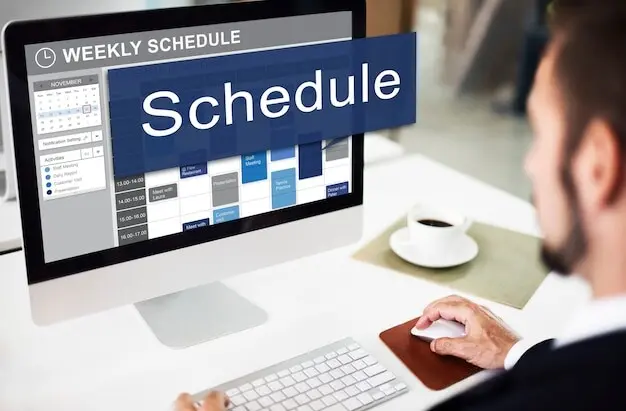
Design tags that slice your world usefully: @person, #room, #store, #season, #budget, #urgent, and #energy‑low. Combine them to find the exact next step, like #kitchen + @Alex + #energy‑low for quick wins before dinner. Limit your overall tag set to a small, memorable list posted inside your notes. Periodically prune rarely used tags and merge synonyms. Use date or month tags for time‑bound reviews. Tags should accelerate action and retrieval, not decorate notes. If a tag never influences behavior, remove it.
Templates That Remove Decision Fatigue

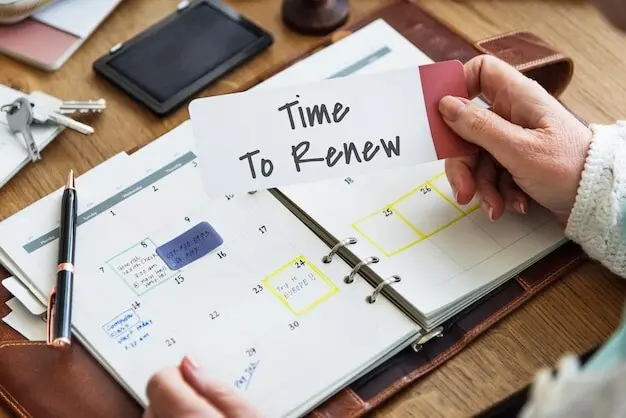
Create simple templates for groceries, cleaning, weekly review, appliance maintenance, and family meetings. Include checkboxes, key fields, and brief instructions, such as where filters are stored or which child prefers which snack brand. Pre‑group grocery items by store aisle to limit backtracking. Add placeholders for receipts, photos, and serial numbers in maintenance logs. When the day gets busy, templates reduce cognitive load and variability. They also make delegation easier, because anyone can follow the script without guessing hidden steps or personal preferences.


From Notes to Action and Back Again

A reliable household system turns written intentions into scheduled, visible steps, then captures outcomes for future reference. Translate checklists into reminders for the right person at the right time. Connect calendars to notes so events have context and follow‑up space. Lean on gentle automations for routines like rent, filter replacements, or subscription reviews. Keep rules human‑readable and easy to fix when life changes. The loop matters: capture, act, reflect, and update templates. That rhythm builds trust and steady momentum.

Turn Checklists Into Scheduled Reminders

When a checklist item becomes time‑sensitive, convert it into a dated reminder or assign it with a clear owner. Bundle recurring chores with realistic frequencies—bathroom weekly, fridge wipe biweekly, filters quarterly—so nothing silently decays. Keep reminders respectful, not nagging: a single timely nudge beats five ignored pings. After completion, note any discoveries, like a better cleaning product or a task that can be skipped. Over time, your system reflects your actual life, not an idealized worksheet nobody truly follows.

Calendars Anchor What Must Happen

Give each major event an agenda note that links to checklists, receipts, or menus. Block setup and cleanup time around gatherings or travel so preparations are realistic. Color‑code family members and add locations for quick mental maps. After events, write a short debrief: what delighted guests, what ran long, what to repeat. Linking calendar entries to notes creates continuity and prevents starting from scratch. You will forget less, stress less, and gradually refine repeat events, turning chaos into dependable, enjoyable rituals.

Make Collaboration Effortless and Kind

Households thrive when information and expectations are visible, shared, and compassionate. Build shared lists for groceries and errands, plus a single chores page with rotating assignments and clear instructions. Encourage claiming tasks instead of assigning by decree. Use comments to coordinate instead of escalating texts. Create small celebrations for completed streaks, not shame for misses. Keep decision records so you do not re‑argue bandwidth plans or meal rotations every season. Collaboration should feel respectful, inclusive, and forgiving, supporting real humans with fluctuating energy.

Keep It Safe, Reviewed, and Ready for Life’s Surprises

Systems earn trust through steady reviews, resilient backups, and thoughtful access. Schedule a weekly sweep to empty inboxes, update checklists, and close stale projects. Back up notes automatically and verify exports open elsewhere. Set sensible permissions and emergency access for a partner or trusted friend. Document a few lifeline pages for medical details, insurance, and keys. Print essentials for power outages. When routines wobble, simplify aggressively and restart with one small win. Safety, reflection, and kindness keep everything usable during real‑life storms.
Telilentozavolumasano
Privacy Overview

This website uses cookies so that we can provide you with the best user experience possible. Cookie information is stored in your browser and performs functions such as recognising you when you return to our website and helping our team to understand which sections of the website you find most interesting and useful.